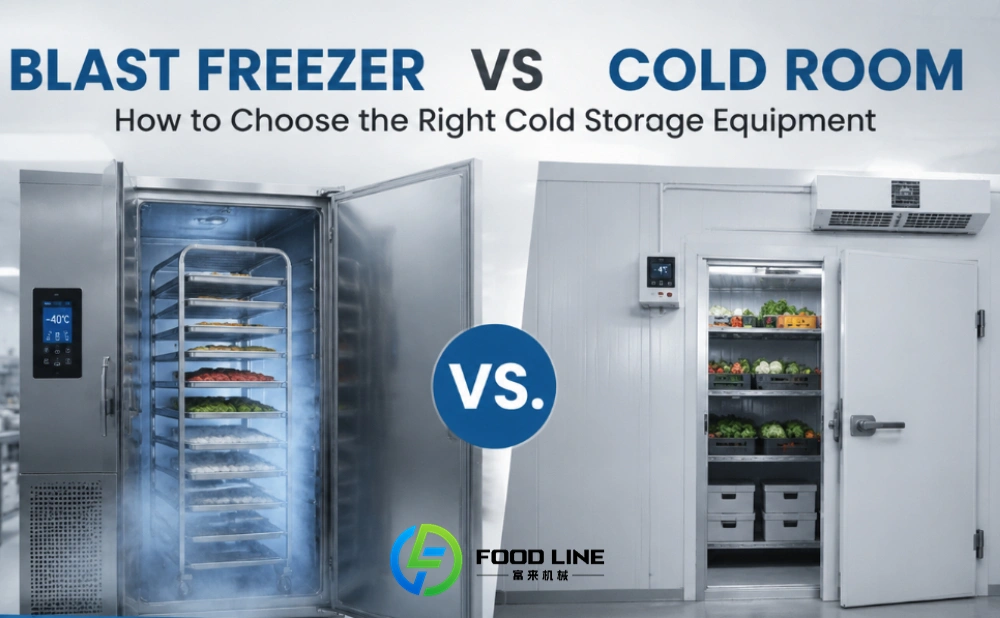
Choosing between a blast freezer and a cold room is one of the most critical decisions for any food processing, cold chain, or commercial kitchen operation. A blast freezer is engineered for speed, while a cold room is built for stability. Compare blast freezers and cold rooms based on temperature, speed, cost, and applications. Learn how to choose the best cold storage equipment for your food processing business. Get a free quote today.
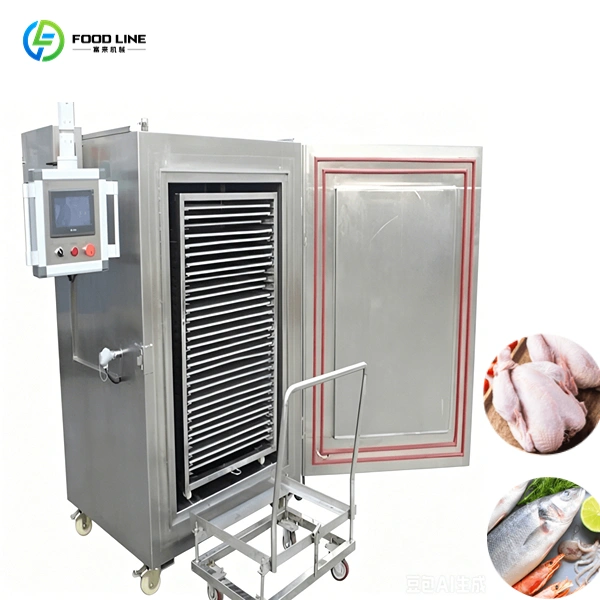
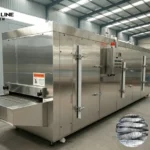
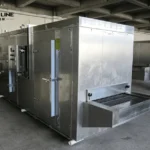
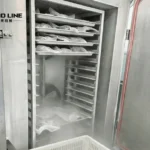
A blast freezer is a type of cold storage equipment used to freeze fresh products quickly at very low temperatures. Its main purpose is to bring the product temperature down in the shortest possible time and pass through the critical freezing zone efficiently.
The biggest advantage of a blast freezer is speed. It freezes products much faster than a standard cold room, which helps protect food quality and reduce product damage during freezing.
Key advantages include:
Rapid freezing for fresh products.
Better texture and moisture retention.
Smaller ice crystal formation.
Suitable for high-value food products.
Ideal for production lines and time-sensitive operations.
Typical Applications:
Seafood Processing: Preventing drip loss in fish fillets.
Meat Processing:Locking in marinades and juices.
Bakeries: Stopping yeast activity instantly in dough.
Ready Meals: Ensuring food safety and extending shelf life.
Request Solution for My Business
What a Cold Room Does
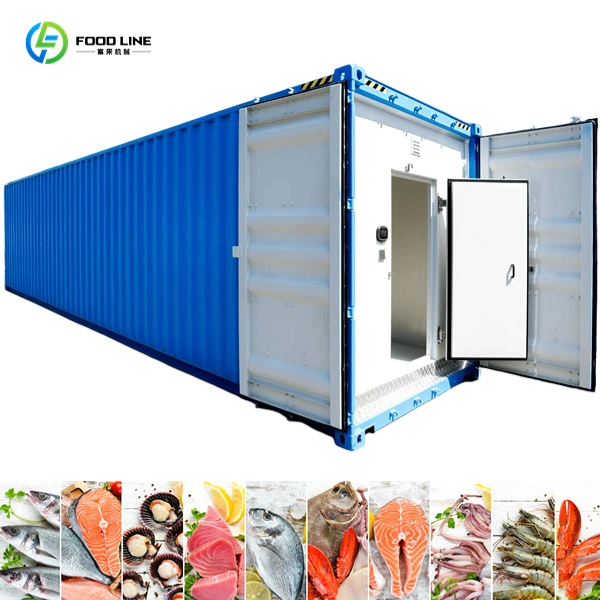
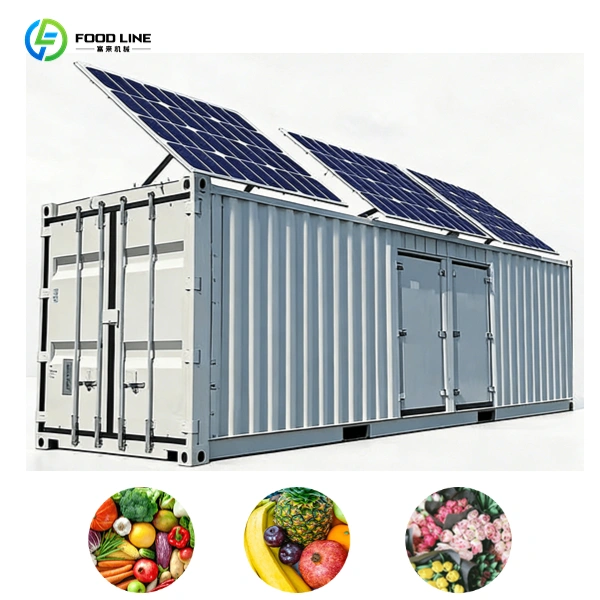
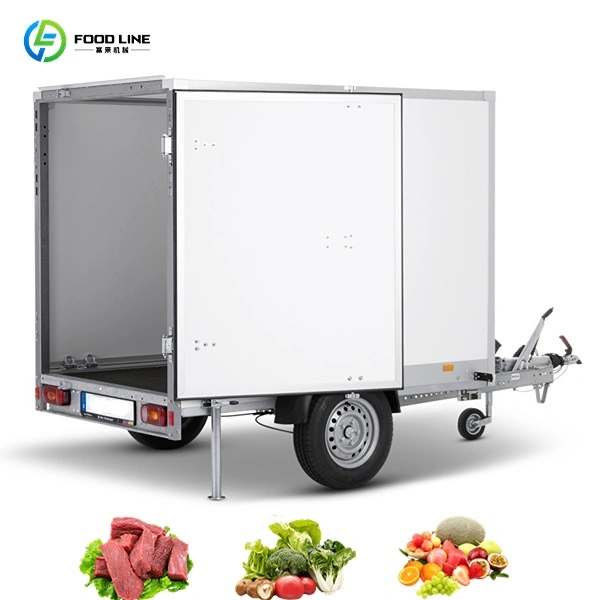
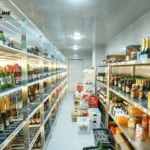
A cold room is a temperature-controlled storage space used to keep products chilled or frozen for extended periods. Unlike a blast freezer, it is not designed for fast freezing. Its job is to maintain a stable environment after the product has already been cooled or frozen.
Chiller Rooms (+2°C to +8°C): For fresh produce, dairy, and beverages.
Freezer Rooms (-15°C to -25°C): For holding frozen products.
The main advantage of a cold room is stable storage. It keeps products at a consistent low temperature, making it ideal for inventory holding and long-term preservation.
Key advantages include:
Stable temperature control.
Suitable for chilled or frozen goods.
Better for long-term storage than freezing.
Easy to integrate into warehouses and factories.
Lower operational intensity when used for storage.
Typical Applications:
Agricultural Cold Storage.
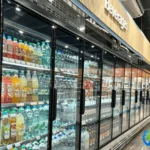
Supermarkets and Retail Stores.
Cold Storage for Food and Beverages.
Cold Chain Logistics and Warehousing.
Industrial and Manufacturing Facilities.
Cold Storage Equipment: Blast Freezer vs. Cold Room
Comparison Item
Blast Freezer
Cold Room
Core Function
Rapid freezing for fresh raw food
Cold storage for pre-frozen goods
Typical Temperature Range
-30°C to -40°C (-22°F to -40°F)
-15°C to -25°C (For freezers) +2°C to +8°C (For chillers)
Which Cold Storage Equipment Do You Actually Need?
1. You Need a Cold Room If:
Products are already frozen or refrigerated.
Holding inventory for weeks or months before shipping.
You need bulk storage for distribution centers or supermarkets.
You require a stable, low-temperature environment for packaging lines.
2. You Need a Blast Freezer If:
You are processing fresh raw materials (raw meat, seafood, produce).
Product quality, texture, and appearance are your brand’s selling point.
You must meet food safety standards requiring rapid core cooling.
You run a high-volume production line that cannot stop.
3. You Need Both (Recommended for Manufacturers):
Process fresh goods and store them before distribution.
You want the highest quality while maintaining efficient logistics.
“We use a blast freezer to lock in freshness right off the processing line, then transfer everything to our cold room for shipping. The combination is unbeatable.” — Operations Manager, US Seafood Exporter.
Request Solution for My Business
How to Make the Final Decision
Still unsure? Follow this 3-step decision flow:
1. Ask: What is the current state of my product?
Fresh/Unfrozen → You need a Blast Freezer.
Frozen/Chilled → You need a Cold Room.
2. Ask: How long will the product stay in the facility?
Under 48 hours (freezing stage) → Blast Freezer.
Over 48 hours (holding stage) → Cold Room.
3. Ask: Do I process daily and ship weekly?
Yes → You need both.
Final Thoughts for Choosing Cold Storage Equipment
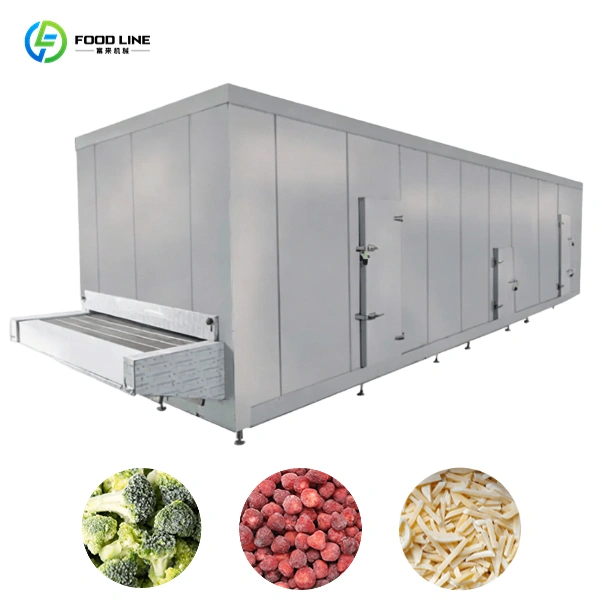
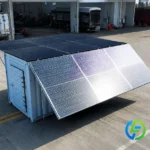
Blast freezers and cold rooms serve different but equally important roles in cold chain operations. A blast freezer is for rapid freezing, while a cold room is for stable storage. Ready to upgrade your facility? Our team specializes in high-performance cold storage equipment tailored to your industry and production volume. From tunnel blast freezers to solar cold rooms, we have the solution for you. Start your project today. Request a free consultation and custom quote now.
Request Solution for My Business
FAQs about Blast Freezers and Cold Rooms
Q1. Can a cold room replace a blast freezer?
No. A cold room is designed for stable storage, not rapid freezing. Using it for freezing will damage product quality and strain the equipment.
Q2. Can a blast freezer be used for long-term storage?
While it can hold products temporarily, it is inefficient and costly for long-term storage due to higher energy consumption. It is best paired with a cold room.
Q3. What products typically need a blast freezer?
Fresh meat, poultry, seafood, berries, vegetables, ice cream, ready-to-eat meals, and baked goods all benefit from rapid freezing.
Q4. Which is more expensive to operate, a blast freezer or a cold room?
A blast freezer has higher peak energy consumption during its freezing cycles, but because cycles are short, the average daily cost may be manageable. Cold rooms have lower, steady consumption. The total cost depends on throughput.
Q5. How do I know what size blast freezer I need?
The size depends on your batch weight and required freezing time. As a general rule, calculate your daily output (kg/hour) and consult with a manufacturer to match the cooling capacity. Contact our engineering team for a precise sizing calculation.