Daily helmet use is common in motorcycle rentals, delivery teams, construction sites, factories, and sports venues. Helmets easily collect sweat, dust, bacteria, and unpleasant odors, which reduce user comfort and compromise safety standards. For a long time, people cleaned helmets manually. However, manual cleaning can no longer meet demand as businesses scale up. This article compares the automatic helmet cleaning machine with manual helmet washing methods to help businesses choose the right cleaning solution.
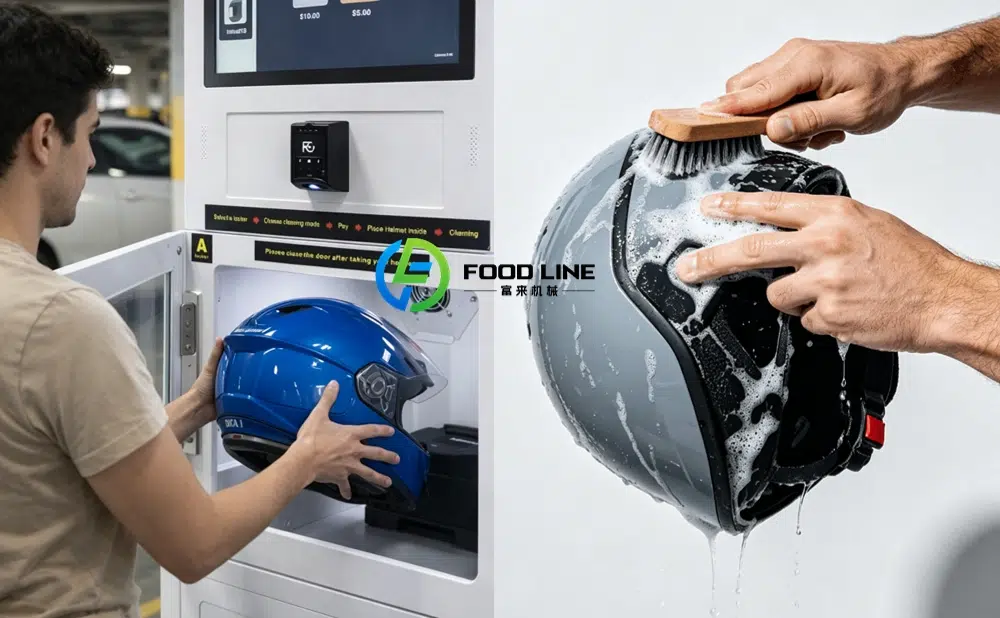
Manual washing seems cheap, but it hides many costs. Staff use rags and sprays, but they often miss the padding inside. Worse, water can damage the helmet’s liner and glue. Here are the main problems with manual cleaning:
Slow Process:It takes 15–20 minutes to wash and dry one helmet.
Poor Hygiene:Surface wiping cannot kill deep bacteria or remove stubborn odors.
High Labor Costs: Employees spend hours cleaning instead of helping customers.
Safety Risks:Leftover moisture can cause mold, which damages the helmet.
What is an Automatic Helmet Cleaning Machine?
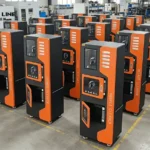
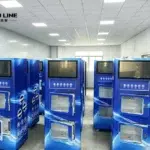
The automatic helmet cleaning machine is a fully automatic, intelligent cleaning device. It can finish helmet cleaning, deep disinfection, and quick drying in one set process. Users only need to place helmets into the equipment, select cleaning modes, complete payment, and then the machine will finish all cleaning work automatically. It supports coin payment, QR code payment, and member card payment, and fits various public scene placements.
Technology
Function
Benefit
UV-C Sterilization
Eliminates bacteria and viruses
Chemical-free, 99.9% kill rate
Ozone Disinfection
Neutralizes odors and kills microbes
Deep penetration, leaves no residue
Rotating Brush System
Scrubs all helmet surfaces
Consistent mechanical cleaning
Pressurized Spray
Removes dirt and contaminants
Reaches ventilation areas
Hot Air Drying
Removes moisture completely
Immediate reuse, prevents mold
Smart Sensor
Detects contamination levels
Adjustable cycles for optimal results
Request Brochure or Catalog
Comparison Between Automatic Helmet Cleaning And Manual Cleaning
1. Time Efficiency
Manual Cleaning: One helmet needs several minutes of manual operation plus natural air drying, with low overall efficiency.
Automatic Cleaning: Finish all processes in 3-10 minutes, support batch cleaning.
2. Labor Cost
Manual Cleaning: Need special staff to take charge; long-term labor expenditure is high.
Automatic Cleaning: Once put into use, almost no manual operation is needed later, steadily saving labor expense.
3. Cleaning & Disinfection Effect
Manual Cleaning: Disinfection is incomplete, and dead corners are easy to miss, leaving dirt and bacteria.
Automatic Cleaning: Double disinfection with ultraviolet rays and ozone, full-range sanitary cleaning.
4. Helmet Protection Degree
Manual Cleaning: Easy to wear liner and damage internal accessories.
Automatic Cleaning: Use a mild cleaning medium to protect all kinds of helmet materials safely.
5. Scene Application Suitability
Manual Cleaning: Only fit small quantity and low-frequency helmet cleaning demands.
Automatic Cleaning: Fit large fleets, shared equipment, and high-flow public service scenes.
If you are selling automatic helmet cleaning machines to other businesses, your primary buyer personas include:
Gas station owners are seeking to attract motorcycle riders with value-added services. Clean helmets encourage longer stays and repeat visits.
Motorcycle dealerships want to differentiate through superior customer service. Offering helmet cleaning enhances the ownership experience.
Delivery and courier companies manage fleets of daily riders. Clean helmets improve worker morale and professional appearance.
Helmet rental and sharing programs require sanitization between users. Automation enables consistent hygiene at scale.
Motorcycle training schools where multiple students use shared equipment daily.
Corporate and industrial safety managers responsible for PPE compliance across large workforces.
Conclusion
Manual helmet cleaning only meets simple, low-standard needs. It has clear drawbacks in cost, efficiency, and hygiene. Automatic helmet cleaning machines use intelligent, fully automatic technology. This technology saves labor time and operating costs while delivering efficient, sanitary deep cleaning. These machines also support both unified team management and public self-service use. For enterprises that want stable, long-term operations