Airports worldwide are embracing innovation to streamline operations and improve traveler satisfaction. One of the most exciting developments is the integration of specialized robots in airports. For passengers, this means less stress, shorter wait times, and a more enjoyable journey. For airports, it translates to increased efficiency and positive reviews. This blog explores five practical airport robot uses that are actively enhancing the passenger experience.
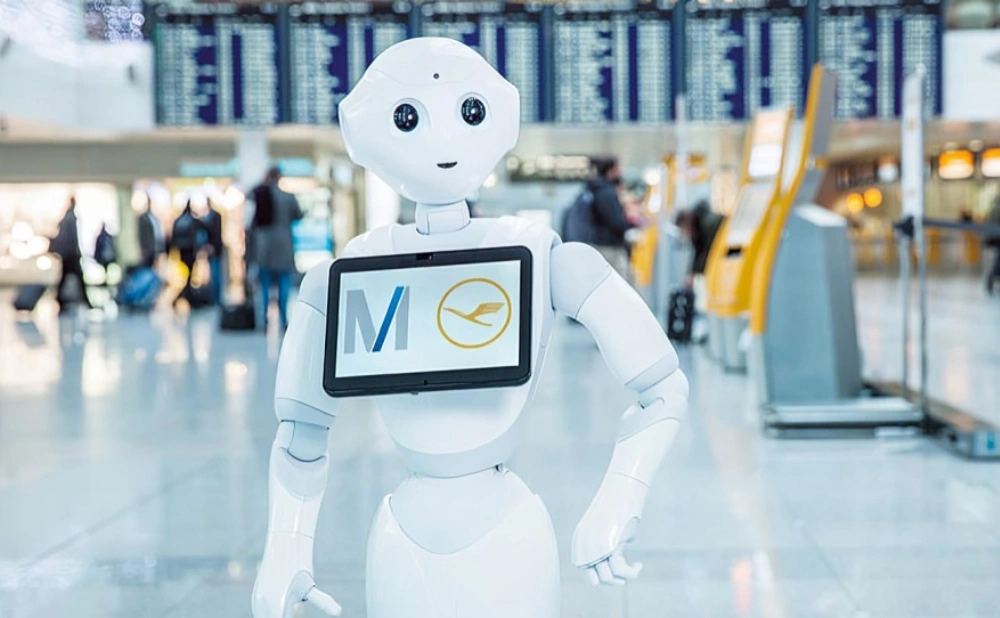
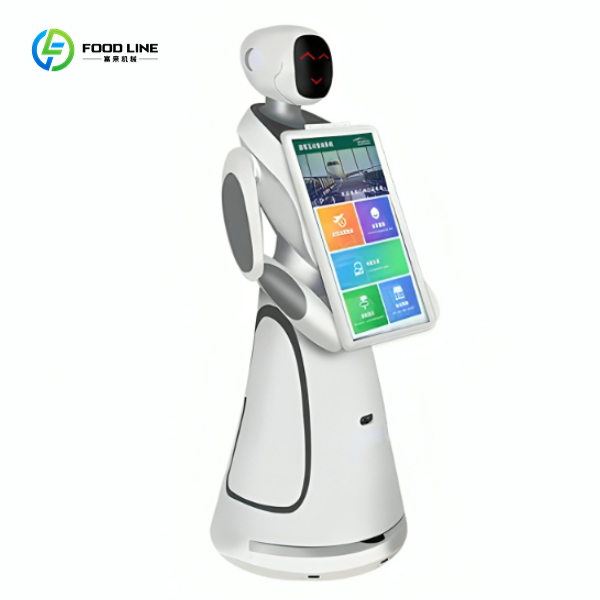
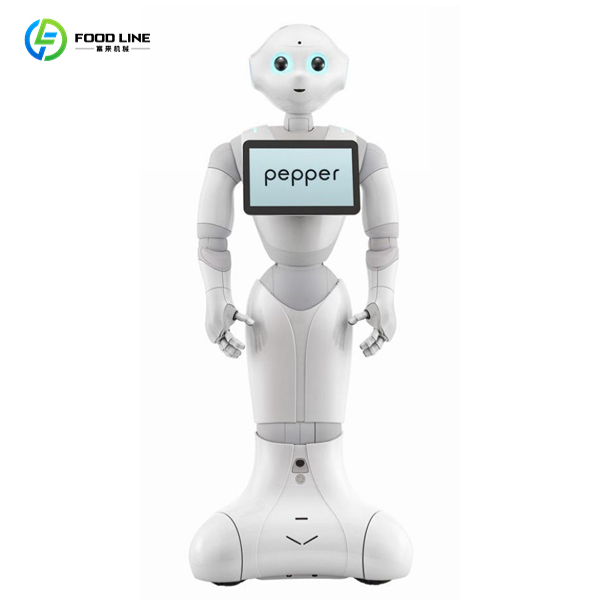
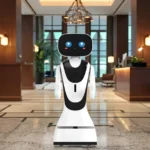
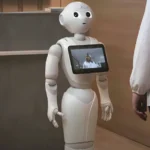
Reception Robot for Airport Greeting and Navigation Robots
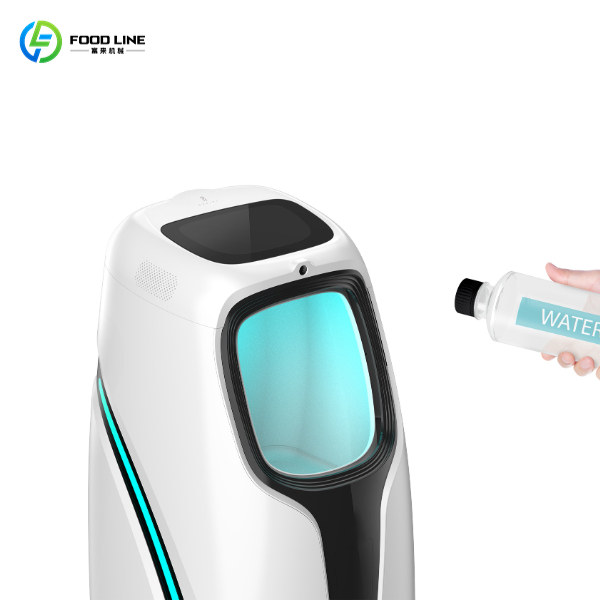
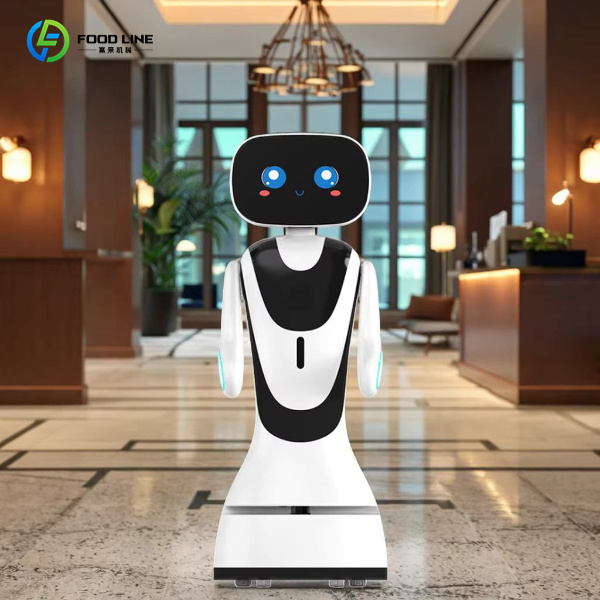
First impressions are crucial in air travel. To create a friendly and efficient entry point, many airports are deploying interactive greeting robots at terminals and information centers.
Core Functions: The welcome robots are equipped with touchscreens and use AI for natural conversations. They provide real-time flight updates, give step-by-step directions to gates and amenities, and offer information in multiple languages. Some models can even scan boarding passes to display personalized gate maps.
Key Benefits: These smart reception robots significantly reduce wait times at traditional information desks, decrease passenger anxiety by providing instant guidance, and free up human staff to handle more complex issues. This use of autonomous technology enhances overall terminal efficiency and creates a memorable first impression.
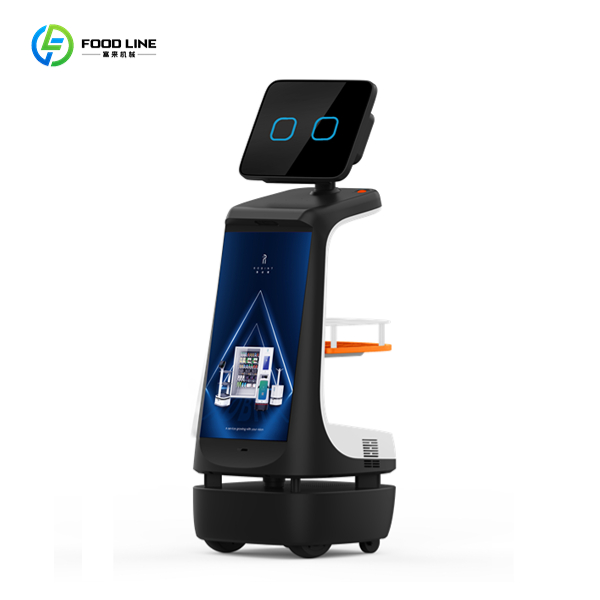
Autonomous Food Delivery Robots for Delivering Drinks & Snacks
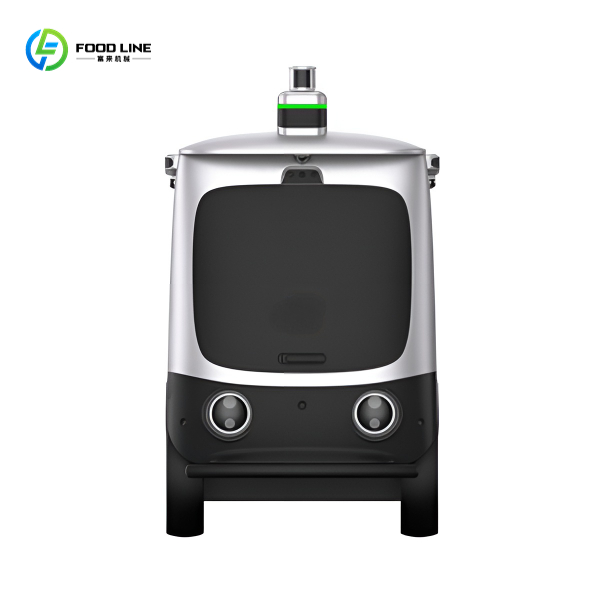
Hunger strikes at the gate, but leaving for food risks missing a boarding call. Autonomous delivery robots provide a seamless solution by bringing purchases directly to passengers.
Core Functions: Passengers order via an airport app/kiosk, and a self-driving delivery robot navigates the terminal using sensors and mapped routes to deliver food and drinks and small items directly to a passenger’s seat in the gate area.
Key Benefits: These small food delivery robots offer ultimate convenience, especially for passengers with children, those with limited mobility, or those carrying a lot of luggage. personalized service. It also boosts airport retail and food sales by removing the barrier of distance, providing a superior passenger experience.
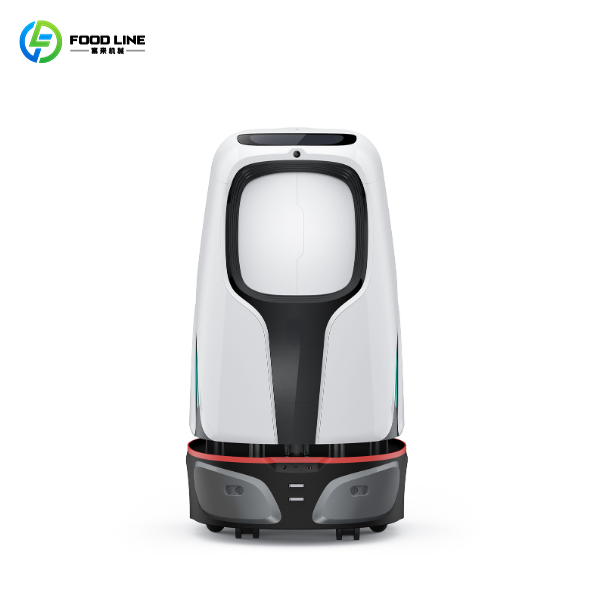
Autonomous Cleaning Robots in Airports for Maintaining Hygiene
Maintaining impeccable cleanliness in vast, busy terminals is a constant challenge. A new wave of cleaning robots in airports is taking on this critical task autonomously.
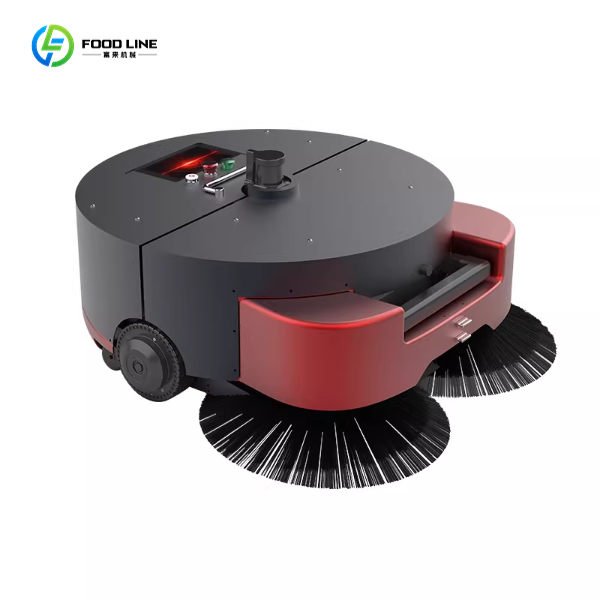
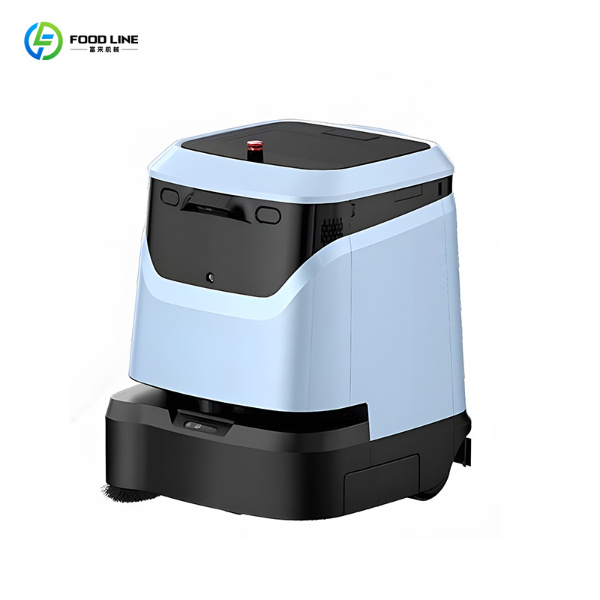
Core Functions: Cleaning robots perform scheduled floor scrubbing, sweeping, and disinfection. They operate day and night, following pre-mapped routes or dynamically navigating around foot traffic to clean large areas with consistent, thorough precision.
Key Benefits: These autonomous cleaning robots ensure a consistently high standard of hygiene and cleanliness around the clock. This automation also allows human staff to focus on more complex cleaning tasks, improving overall operational efficiency and promoting passenger health and safety.
Self-Driving Robot Vehicles for Airport Retail Food Vending
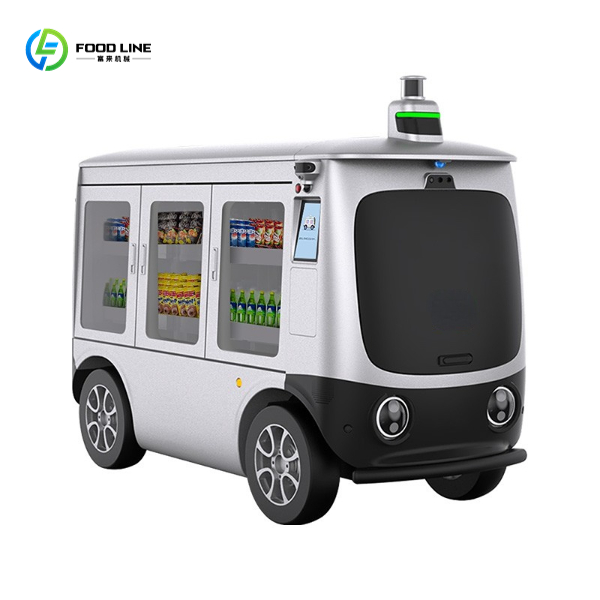
Autonomous self-driving robot vehicles roam pre-defined areas. Travelers can browse items (like snacks, chargers, or travel accessories) on a screen, select, and pay contactlessly, completing a purchase without a human cashier.
Core Functions: These unmanned vending vehicles patrol busy waiting areas, stocked with snacks, drinks, and travel essentials. Passengers can hail them directly or use an onboard touchscreen to browse, select, and pay for items instantly without moving from their seats.
Key Benefits: This innovation captures impulse purchases that would otherwise be lost, directly increasing non-aeronautical revenue. It dramatically improves convenience for time-pressed or weary travelers, adding a layer of modern, on-demand service to the travel experience.
Intelligent Walking-Aid Robots in Airports for Smart Mobility
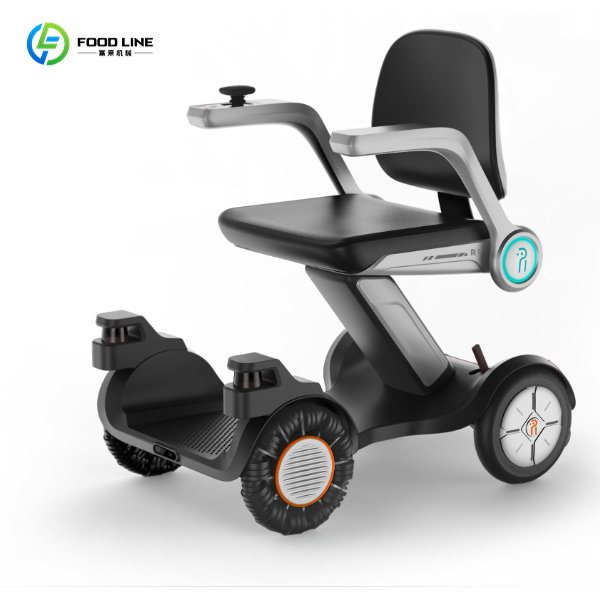
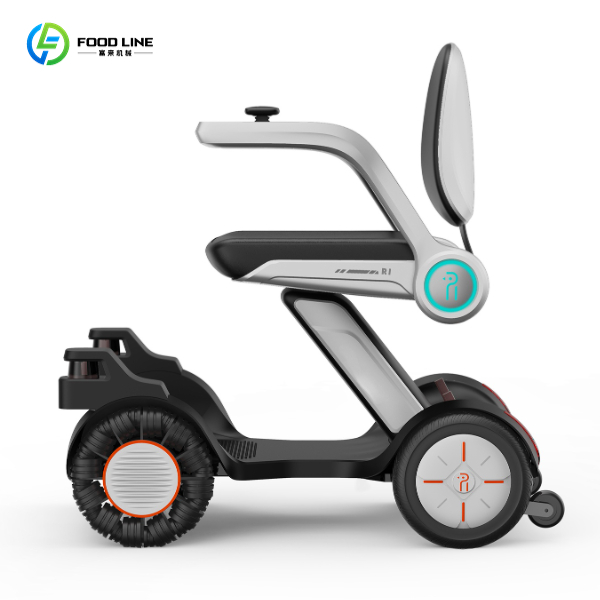
To ensure an inclusive and accessible journey for all, some airports are introducing assistive robots designed for passengers with mobility challenges or those facing exceptionally long terminal walks.
Core Functions: The robot power chairs offer a ride to a passenger’s gate. They can be user-operated via a simple interface or follow an airport attendant, providing stable and comfortable transport across long distances.
Key Benefits:These assistive robot chairs promote dignity and independence for elderly travelers, people with disabilities, or anyone fatigued. By directly addressing mobility challenges, they make the airport experience more accessible and comfortable for all, which is a core aspect of improving passenger experience.
Foodline Machinery is a professional robot manufacturing company integrating public and trade, and has a development history of more than 20 years, specializing in the production of intelligent robots. If you’re looking for a profitable and low-maintenance commercial solution, our airpot robots for sale are the perfect choice. Fill out the inquiry form today, and our team will send you a customized quote and video demo within 24 hours.