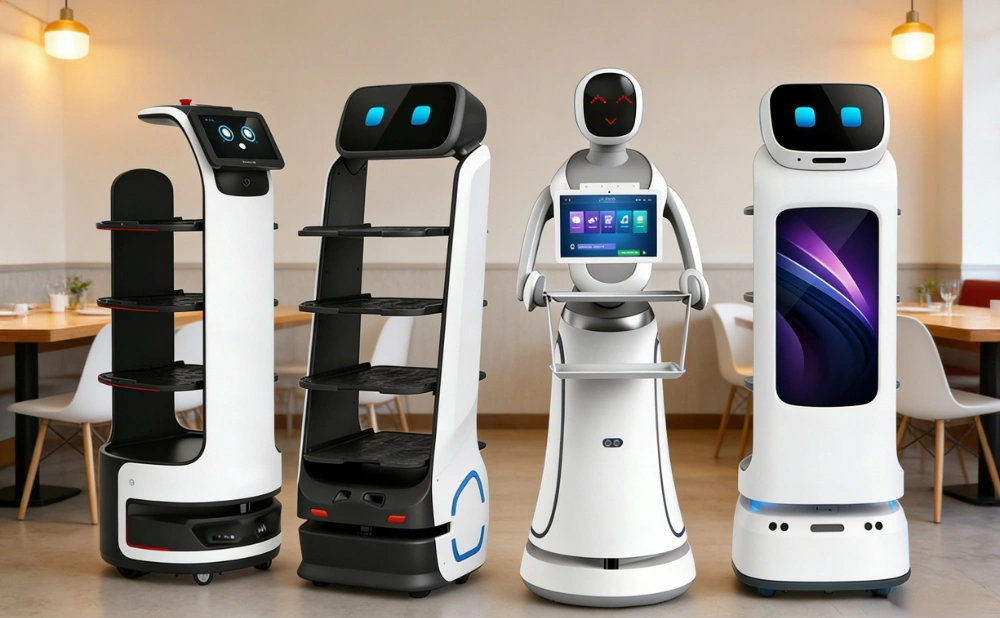
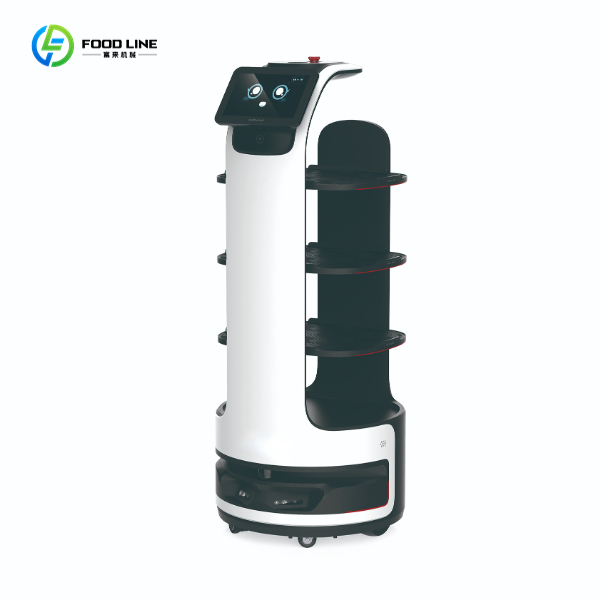
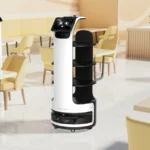
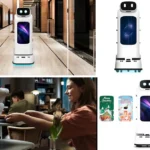
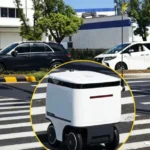
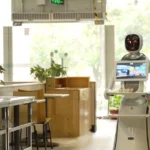
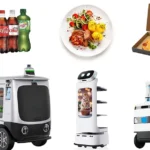
As labor challenges and customer expectations evolve, automation is becoming essential for restaurant success. In 2026, restaurant delivery robots are rising as a key solution, offering efficiency, consistency, and a unique dining experience.
Consider the real-world example of a mid-sized pizza chain in Arizona. Facing a 40% driver turnover rate, they piloted robots from a leading delivery robot manufacturer. The results were clear. Within six months, they reduced delivery labor costs by 22% in the pilot zone. More importantly, they saw a 15% increase in online orders from the service area. Customers loved the reliable, contact-free option. This is the power of robots for restaurant delivery. They do not just replace a cost, but also actively improve service and can grow sales. Early adopters of restaurant delivery robot for sale programs are already seeing lower costs and higher customer satisfaction. They are building a more resilient and scalable business model.
What’s the Delivery Robot Return on Investment?
Let’s move beyond theory. The delivery robot return on investment is now measurable. A standard food delivery robot for sale or service lease costs between $1,500 and $3,500 per month, according to industry analysts. Now, calculate the cost of a human driver. With an average wage of $15-$18/hour, plus payroll taxes, insurance, and management overhead, a full-time driver can easily cost over $4,500 monthly. The math speaks for itself. For restaurants with high delivery volume, robots can pay for their lease within the first 1-2 busy shifts each month. The rest is direct savings and profit.
How to Start with Restaurant Delivery Robot in 2026
The trend is accelerating. Follow these actionable steps to lead, not follow:
1. Benchmark and Analyze: Identify your three most expensive delivery hours each day. Calculate the exact labor cost for those periods. This is your target for the delivery robot return on investment analysis.
2. Request a Pilot: Any reputable delivery robot manufacturer or service will offer a limited pilot. Run one for 30-60 days in a controlled area. Track key metrics: delivery times, customer feedback, and cost per delivery.
3. Train and Integrate: Use pilot data to train your team. Show them how robots handle bad weather and peak times. Integrate the robot system with your existing POS for seamless order handoff.
Restaurant Delivery Robot With LiDAR Navigation
Safety is the top concern for any owner. This is where advanced tech proves its worth. A delivery robot with LiDAR navigation is the industry standard for reliability. How does it work? LiDAR sensors send out millions of laser pulses per second to map the environment in precise 3D. A delivery robot with LiDAR navigation achieves a 99%+ successful delivery rate without human intervention. This superior accuracy means fewer accidents, no property damage, and total peace of mind. When evaluating a food delivery robot service, insist on LiDAR. It is the difference between a gimmick and a reliable employee.
Professional Robot Manufacturer: Foodline Machinery
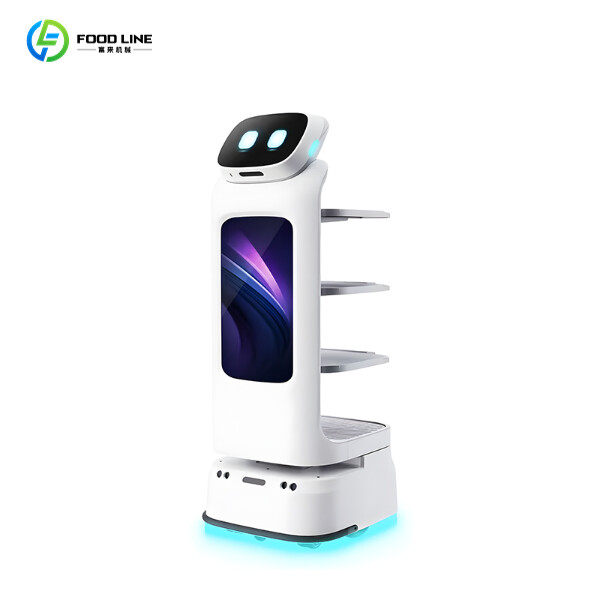
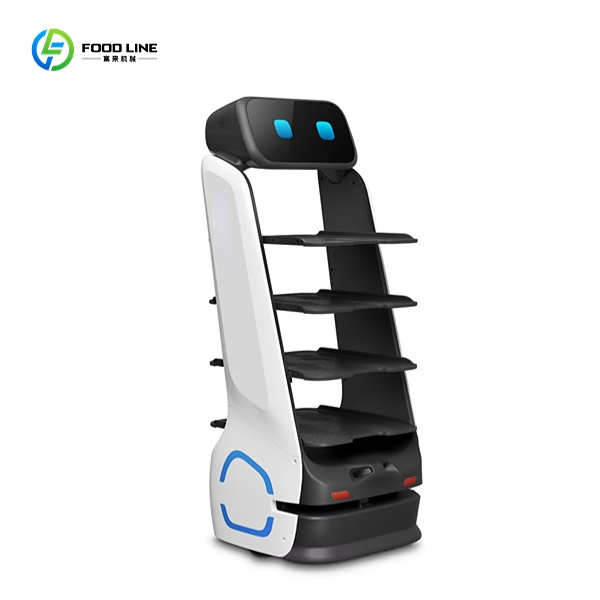
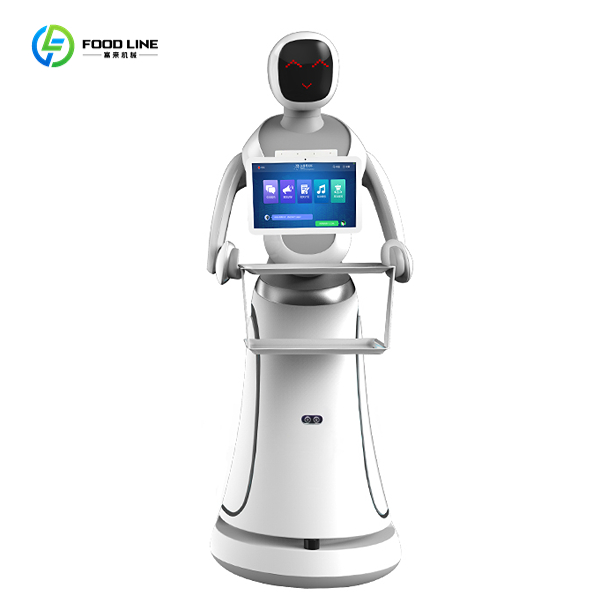
Foodline Machinery (Foodmax Machinery) specializes in high-efficiency food delivery robots designed to streamline your restaurant operations. We offer all kinds of restaurant delivery robots for sale, from affordable food delivery robots to high-end delivery robots that enhance service speed, reduce labor costs, and improve customer satisfaction. Ready to upgrade your business with reliable robotics? Contact us today for a custom quote and see the difference automation can make!