Restaurant Delivery Robot For Efficient Food Service
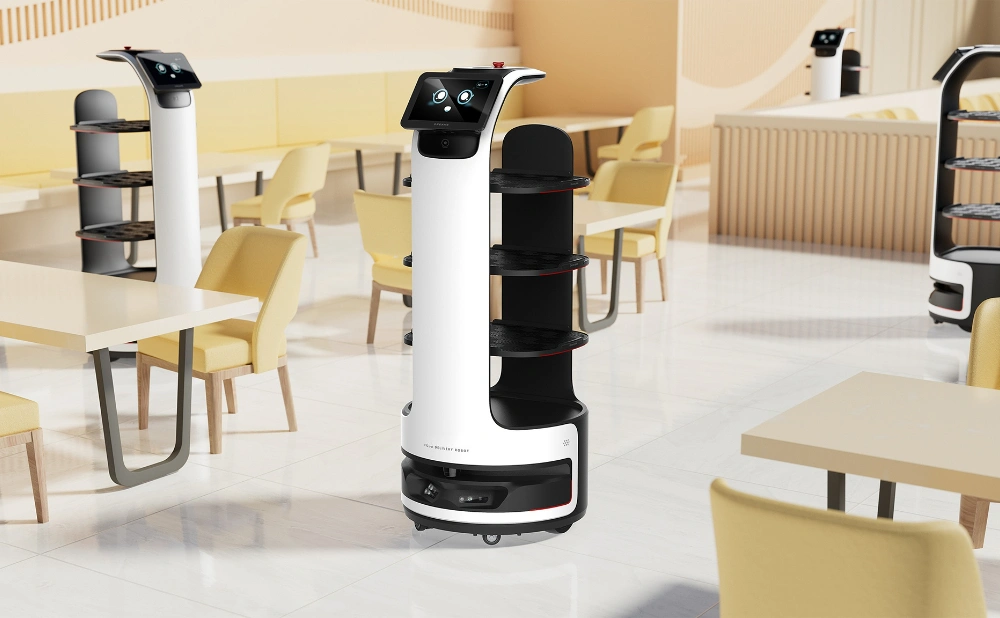
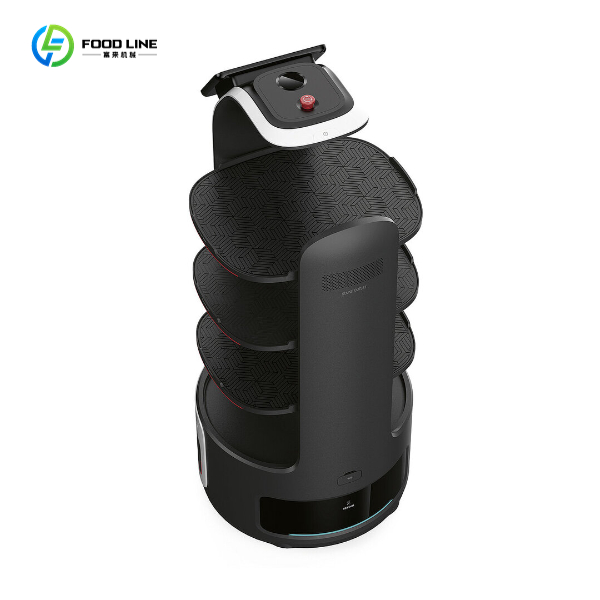
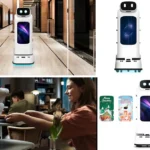
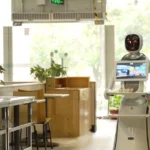
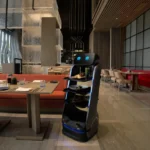
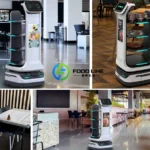
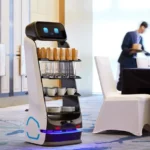
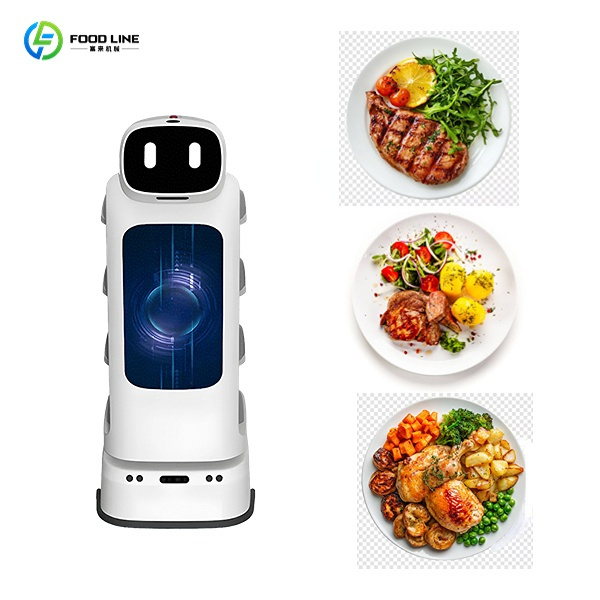
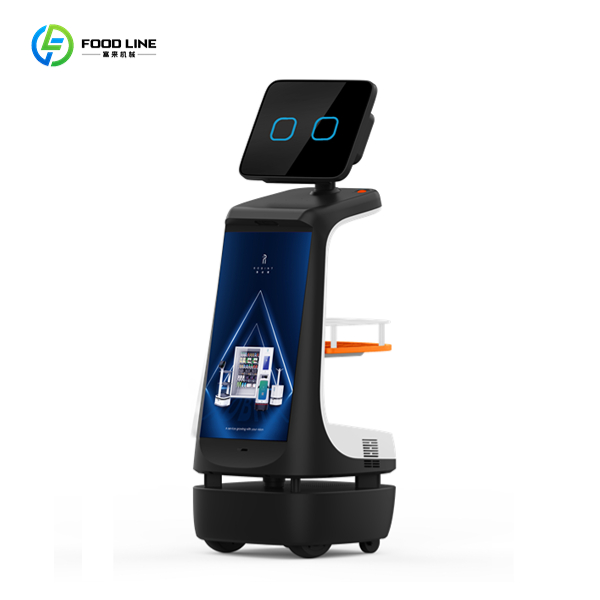
D1 restaurant delivery robot is an advanced food delivery robot in restaurant settings. It seamlessly integrates into your workflow, performing multiple tasks such as greeting and seating guests, delivering meals, returning used plates, and cruising around the premises. With a sleek design and robust capabilities, this automatic delivery robot addresses critical industry challenges like labor shortages, high operational costs, and the need for differentiated customer service.
Product Specifications of Restaurant Food Delivery Robot
Specification
Details
Product Model
FL-D1 Restaurant Delivery Robot
Dimensions
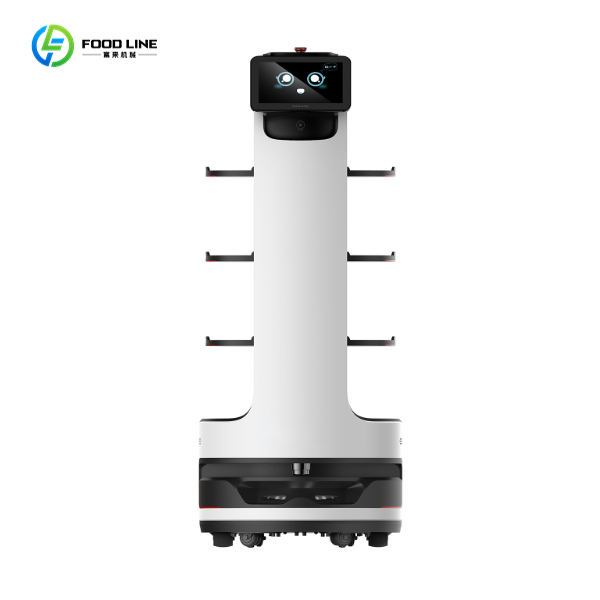
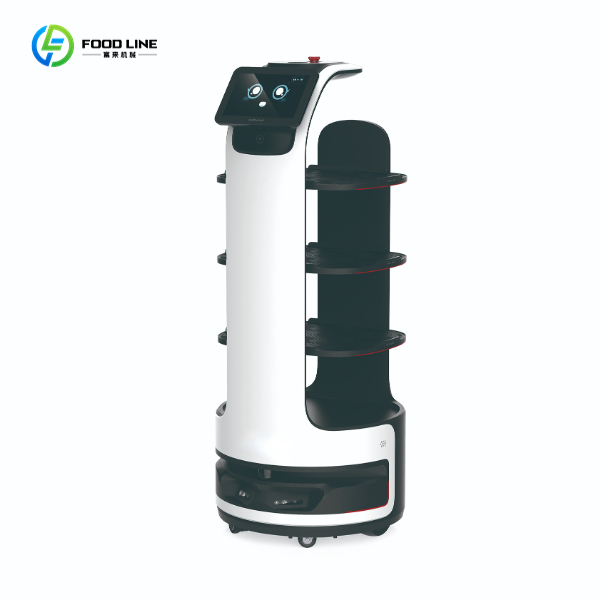
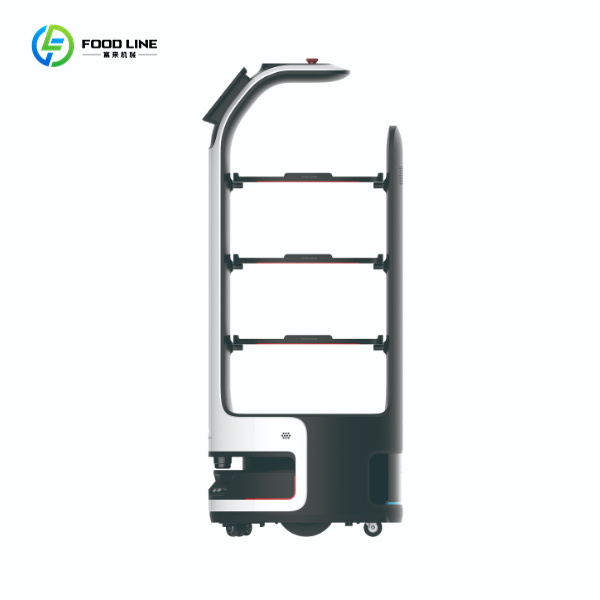
525mm × 529mm × 1277mm
Weight
55.5 kg
Number of Trays
4 layers (adjustable)
Tray Material
Food-grade silica gel
Load Capacity
40 kg (10 kg per layer)
Speed
0.5–1.2 m/s
Minimum Passage Width
65 cm
Charging Time
< 5 hours
Battery Life
12–24 hours
Display
10.1-inch LCD screen
Operating System
Linux
OTA Updates
Supported
How Does This Robot Deliver Food in a Restaurant?
Upon activation, this automatic delivery robot uses its dual-SLAM positioning system to scan and map the restaurant layout. Once the map is created, staff can assign tasks, such as delivering an order to a specific table. The robot then plans the optimal path, navigates through the restaurant while avoiding obstacles, and delivers the items safely. It can communicate with other D1 robots to coordinate tasks, ensuring smooth operation even during peak hours. After completing a task, it returns to its station or awaits further instructions.
Features of Smart Delivery Robot for Restaurants
4-Layer High-Load Trays: Each tray holds up to 10kg (total 40kg). The trays are adjustable, so they fit different food containers—from small bowls to large dinner plates.
Dual-SLAM Positioning: Combines LDS and VSLAM for centimeter-level precision. The self-driving delivery robot never gets lost, even in crowded restaurants with moving customers.
Multi-Robot Collaboration: A built-in communication network lets multiple D1s service robots work together. They share real-time data to avoid delays, which is perfect for peak hours (like lunch or dinner rushes).
3D Omni-Directional Obstacle Avoidance: Equipped with an auto-pilot AI chip, 270° lidar, and stereo vision sensors. It avoids common obstacles like dropped napkins, server carts, or kids running around.
Automotive-Grade Air Suspension: The adaptive suspension adjusts to different floor conditions (like carpet or tile). Its 2 drive wheels and 4 steering wheels help it cross small obstacles (like door sills) easily.
Narrow Passage Adaptability: This smart delivery robot can pass through 65cm super-narrow spaces, which is ideal for small restaurants with tight aisles.
Multi-Modal Interaction: The intelligent service robot uses voice, animated expressions, and lighting effects to interact with customers. For example, it says “Enjoy your meal!” when delivering food, making the experience friendlier.
Cloud Platform Control: Monitors device status (battery, task queue) in real time. It also generates data reports (like daily delivery times) to help restaurants optimize operations.
Standout Advantages of Smart Restaurant Service Robot
Solve Labor Shortages: Food delivery robots reduce the need for extra delivery staff. This eases workload for existing employees, improving their work environment and lowering the quit rate.
Boost Peak-Hour Efficiency: During busy times, the D1 smart delivery robot handles repetitive delivery tasks. This lets servers focus on taking orders and helping customers, which increases table turnover rate.
Cut Operating Costs: Robot delivery service eliminates costs like staff training, overtime pay, and employee benefits for extra delivery staff. Over time, it saves more than hiring part-time workers.
Enhance Customer Experience: Restaurant delivery robots use their modern design and smart features to attract tech-savvy customers. The stable delivery (no spilled food) and friendly interaction also improve customer satisfaction.
Ensure Stable & Safe Delivery: The air suspension and obstacle avoidance system prevent tray tipping or collisions. The food-grade silica gel tray mats keep containers from sliding.
Simplify Management: The cloud platform lets managers track all robots from one screen. They can assign tasks remotely and fix small issues (like low battery alerts) quickly.
FAQ:
Q1: Is the robot safe to operate around customers?
Yes, absolutely. Its ultra-sensing 3D obstacle avoidance system allows it to detect and navigate around people, tables, and other obstacles with high precision, ensuring a safe and worry-free operation.
Q2: How does the robot handle narrow spaces in a restaurant?
The D1 robot for delivery is designed to easily pass through passageways as narrow as 65 cm, making it suitable for most restaurant layouts without requiring modifications.
Q3: Can the robot work in a group?
Yes, multiple D1 delivery robots can work together seamlessly, sharing maps and coordinating tasks to maximize delivery efficiency during busy periods.
Q4: Can the trays be cleaned easily?
Yes. The trays are designed for easy removal and cleaning. The tray mats are made from food-grade silicone, which is safe and simple to maintain.
About Foodline Machinery
Foodline Machinery is a machinery manufacturing company integrating public and trade, and has a development history of more than 20 years, specializing in the production of machinery. We offer comprehensive after-sales services, including technical support, maintenance guidance, and customization options to meet specific customer requirements. With a global customer base and a reputation for excellence, we strive to be your trusted partner in nut processing, helping you improve productivity and product quality while reducing operational costs. If you’re looking for a profitable and low-maintenance commercial solution, our autonomous food delivery robots for sale are the perfect choice.